Regenerative Orthopedics in Phoenix

An option worth exploring before you agree to surgery.

Image-guided regenerative orthopedic procedures in Phoenix, performed by physicians. We publish our own outcome data and we turn down the cases the evidence does not support.

✓Physician-performed
✓Image-guided, always
✓Outcome data published

Active patient outdoors
6,800+Procedures performed
6,800+
Procedures performed
4.8
Average rating, 340+ reviews
100%
Image-guided placement
Own
Outcome registry, published
Physician-performedImage-guided, alwaysOutcome data publishedOutcome registry, publishedPhoenix Physician-performedImage-guided, alwaysOutcome data publishedOutcome registry, publishedPhoenix
Before you call anyone

Find out whether you're a candidate, honestly.

Four questions about your joint, your imaging and what you have already tried. Plenty of people are not candidates and we would rather tell you here than after a deposit.

Question 1 of 4
What are you dealing with?
Why Placeholder Regenerative Medicine

Three things that separate this from the clinics giving it a bad name.

01

A physician performs it, under imaging

Every injection is placed under ultrasound or fluoroscopic guidance by a physician. Blind injections into a joint miss the target often enough to matter.

02

We publish our outcomes

Our own registry, tracked at three, six and twelve months, including the cases that did not improve. Anyone can cite a study; publishing your own numbers is harder.

03

We turn down more than we treat

Bone-on-bone arthritis, structural instability and full-thickness tears generally need surgery. Being told no here saves you a five-figure procedure that was never going to work.

Conditions

What we treat, and what we don't.

Knee osteoarthritis

Knee osteoarthritis

Mild to moderate arthritis. Advanced bone-on-bone disease is usually a surgical case.

Rotator cuff and shoulder

Rotator cuff and shoulder

Partial tears and tendinopathy. Full-thickness tears are referred for repair.

Tendon and ligament injury

Tendon and ligament injury

Tennis elbow, plantar fasciitis and chronic tendinopathy that has not settled.

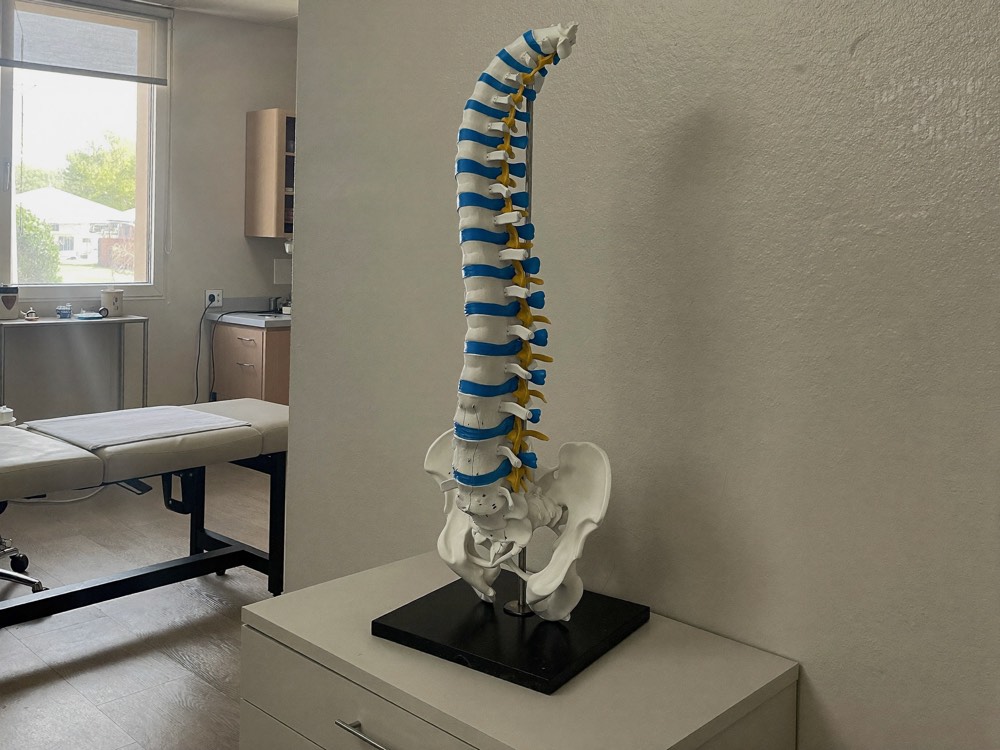
Spine, disc and facet

Spine, disc and facet

Image-guided procedures for discogenic and facet-mediated pain.

Outcome data

Our own registry, including the failures.

Function and pain scores at three, six and twelve months, tracked on every patient we treat. Placeholder for the practice's real registry figures.

Before photo
Outcome registry chart placeholder
After photo
Outcome registry chart placeholder
BeforeAfter
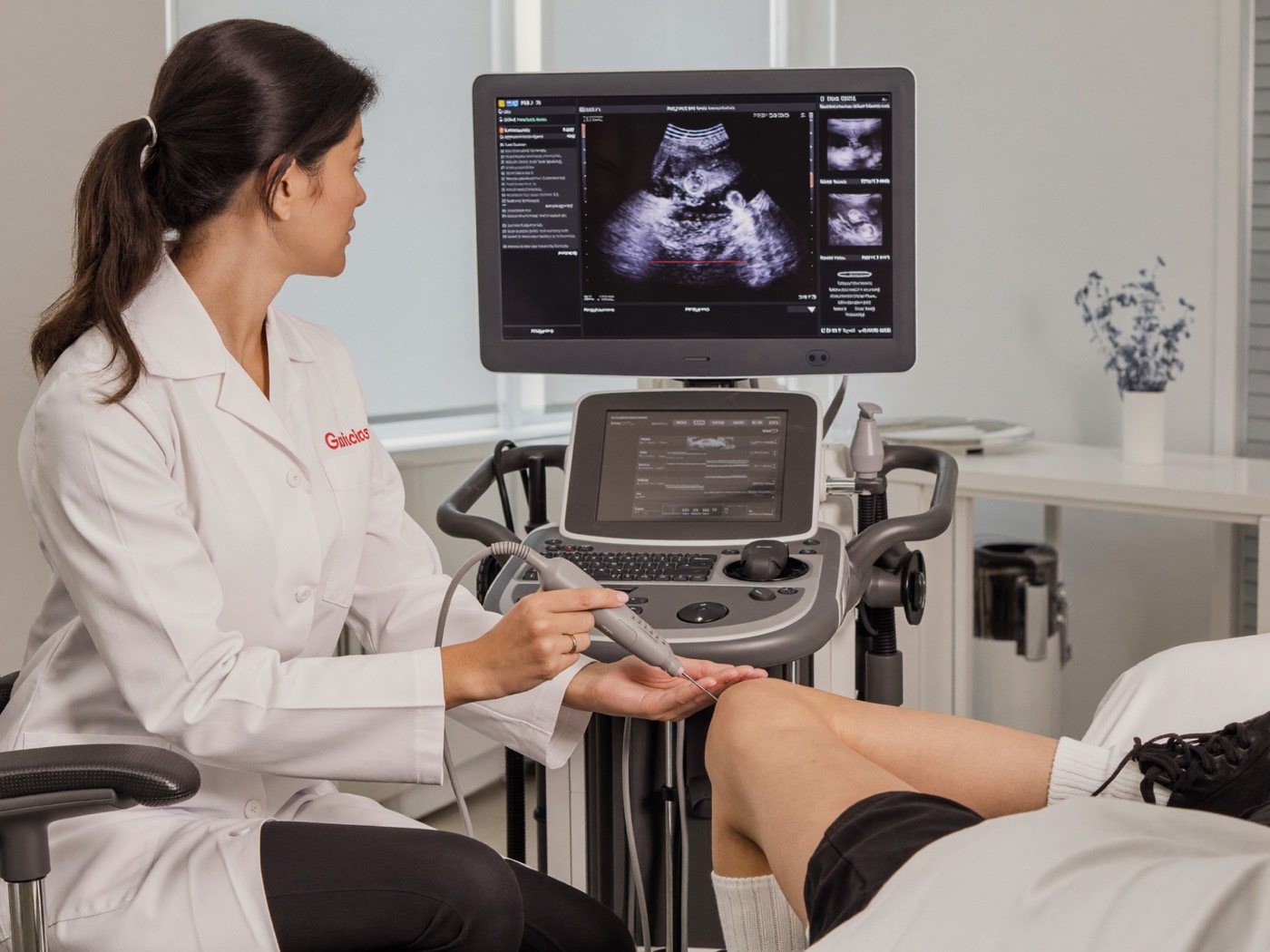
Ultrasound-guided injection

Every injection, under imaging.

Blind injections into a joint miss the target often enough to matter. Ultrasound or fluoroscopic guidance is used on every procedure we perform.

How it works

Three steps, and the first one may be a no.

A physician reviews your imaging and tells you honestly whether you are a candidate.

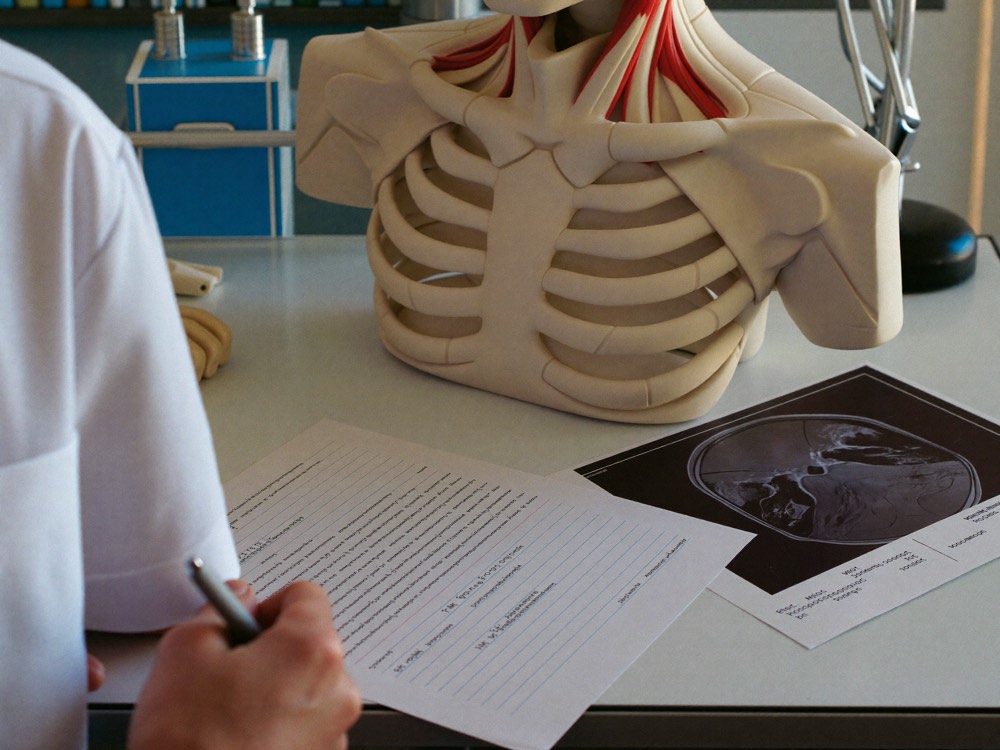
Physician reviewing an MRI with a patient

Imaging review and evaluation

A physician reviews your MRI or X-ray and examines you. This is where most non-candidates find out, before spending anything.

The procedure

Performed in-office under image guidance, usually under an hour, with same-day discharge.

Rehab and tracking

A structured rehab protocol, then scored follow-ups at three, six and twelve months.

The question everyone asks first

What happens before you pay anything.

Free
Imaging review and physician evaluation.

This category has a real reputation problem, largely earned by clinics selling packages of injections to patients who were never candidates.

A physician reviews your imaging first. If we do not think you will benefit, we tell you at the evaluation and you have spent nothing.

No obligationWritten quoteFinancing available
Request an evaluation
Patient stories

What patients say.

★★★★★

They looked at my MRI and told me I needed a replacement, not an injection. First clinic in three that didn't try to sell me something.

Photo
Placeholder nameDeclined as a candidate, 2025
★★★★★

Back on the golf course at four months after two years of managing it with cortisone.

Photo
Placeholder nameKnee, 2025
★★★★★

Everything under ultrasound, and they showed me the screen while they did it.

Photo
Placeholder nameShoulder, 2026
Questions

The five things people ask first.

Am I a candidate?

It depends on your imaging and the structure involved. Mild to moderate arthritis and partial tendon injuries respond best. Bone-on-bone arthritis and full-thickness tears generally do not, and we will tell you that at the evaluation.

What does it cost, and does insurance cover it?

Insurance does not typically cover these procedures and we say that plainly rather than letting you discover it later. Pricing is per joint and you get it at the evaluation, after a physician has reviewed your imaging.

What does the evidence actually show?

It is genuinely mixed and depends heavily on the condition, the preparation and the placement. It is stronger for knee osteoarthritis and tendinopathy than for many other uses. We go through what the literature supports for your specific case and where it is weak.

How long until I notice a difference?

Most patients who respond notice change between six and twelve weeks, and improvement often continues to six months. It is not an immediate fix and anyone promising one is overselling it.

What if it doesn't work?

A proportion of patients do not improve, and that is in our published registry rather than hidden. If you are one of them we will say so at the follow-up and help you get to the right surgical opinion.

Next step

An honest evaluation, including whether to say no.

A physician reviews your imaging and examines you. If you are not a candidate you will hear it then, before spending anything on a procedure.

✓Imaging reviewed
✓Candid answer either way

By submitting you agree to be contacted by phone, text or email about your consultation. Message rates may apply. We never sell your information.